Ikon Training
Conflict on camera: Staying confident when someone starts filming
August 24th, 2026
4 mins
August 24th, 2026
4 mins
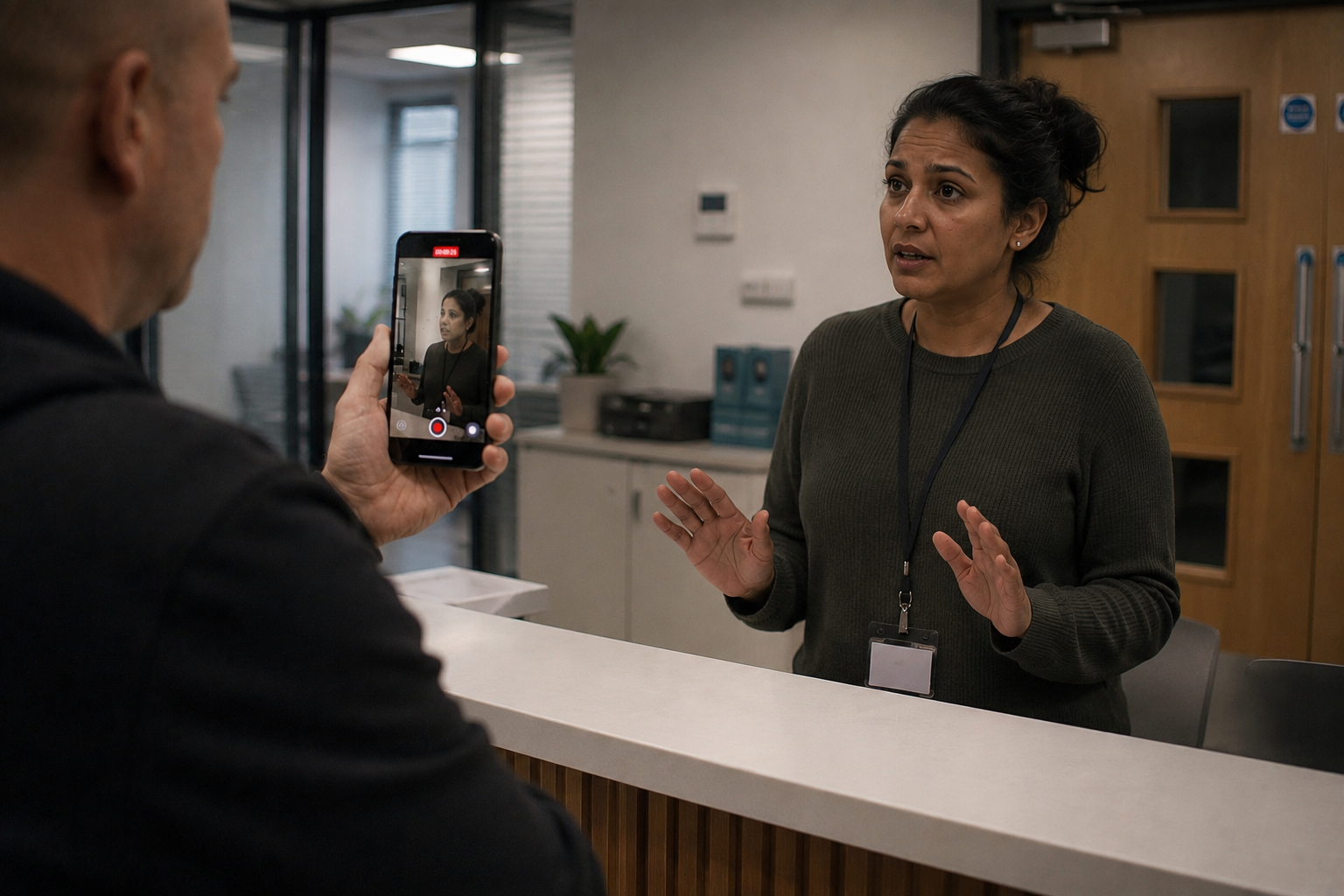
Over the last few years, one question has started appearing on my courses more than almost any other.
“What do I do if someone starts filming?”
Whether I’m working with healthcare teams, museums or other customer-facing organisations, it’s a situation people are encountering far more often than they used to.
For many frontline workers, being recorded is becoming increasingly common.
Smartphones are the most obvious example, but they’re no longer the only one. Body-worn cameras, CCTV and even doorbell cameras have become commonplace in many environments. As technology continues to evolve, it’s becoming harder to know when interactions are being recorded. Smartphones remain the most visible example, but body-worn cameras, doorbell cameras and emerging technologies such as smart glasses all reinforce the same reality: frontline staff should increasingly assume that many interactions could be recorded.
What I’ve noticed, however, is that the uncertainty around being filmed often creates more anxiety than the filming itself. People understandably begin asking questions such as:
They’re reasonable concerns, but they can also distract from the issue at hand which matters most: resolving the situation safely and professionally.
That’s why I think this conversation is becoming increasingly important. Not because frontline staff need to become legal experts, but because they need the confidence to know what the right thing is, and the confidence to do so, even when a camera appears.
One of the things I’ve observed is that the filming itself can sometimes become a bigger issue than the original disagreement. A customer may begin recording because they want evidence, or a record of what’s happening. Others may use filming as leverage during an interaction, or with the intention of sharing the footage on social media. More recently, we’ve also seen individuals deliberately seeking confrontation by filming situations in the hope of provoking a reaction. The reasons vary.
What doesn’t usually vary is the impact the camera can have on the interaction because attention can shift, people can become more self-conscious, and communication can become more guarded.
In some situations the presence of, for example, a phone can increase tension simply because everybody becomes more aware that they’re being watched. The original issue hasn’t changed. Someone still needs support. A concern still needs resolving. A conversation still needs to happen. But it’s surprisingly easy for everyone’s attention to move away from resolving the conflict and onto the recording itself.
That’s often where the real challenge begins.

One of the biggest concerns people raise with me is whether someone is actually allowed to film them.
The honest answer is that it isn’t always straightforward.
There are important legal considerations, organisational policies and differences between public and private spaces.
To put it in perspective, some private spaces will have policies against filming, and some won’t. What may seem like a public space may be privately owned and have a policy against filming. That’s exactly why organisations should always ensure their guidance reflects current legislation and that staff understand the policies that apply to their own workplace.
Though what I’ve found is that people often assume confidence comes from knowing every legal detail… but I don’t think it does.
Confidence comes from understanding your role. For example, on a recent course with museum staff, we discussed situations where filming may become disruptive within a privately managed venue. The conversation wasn’t really about legislation. It was about understanding the organisation’s policies, knowing when filming may interfere with operations and having the confidence to respond accordingly to those policies in a professional manner.
The same principle applies across many sectors:
The legislation may vary, and your organisation’s procedures may differ. But if you understand your responsibilities, communicate clearly and follow your organisation’s processes, you’re already putting yourself in the strongest possible position.
Knowing your role often provides far more confidence than trying to memorise every piece of legislation.
Perhaps the biggest piece of advice I give is this:
Don’t let the filming become your focus.
It’s understandable, because being filmed can feel uncomfortable and intrusive to your personal space. Sometimes it can even feel provocative.
But if all of your attention moves towards the person recording you, there’s a risk that the original issue is no longer receiving the attention it deserves, meaning the conflict hasn’t disappeared. It’s simply changed shape. Maybe even been blown out of proportion.
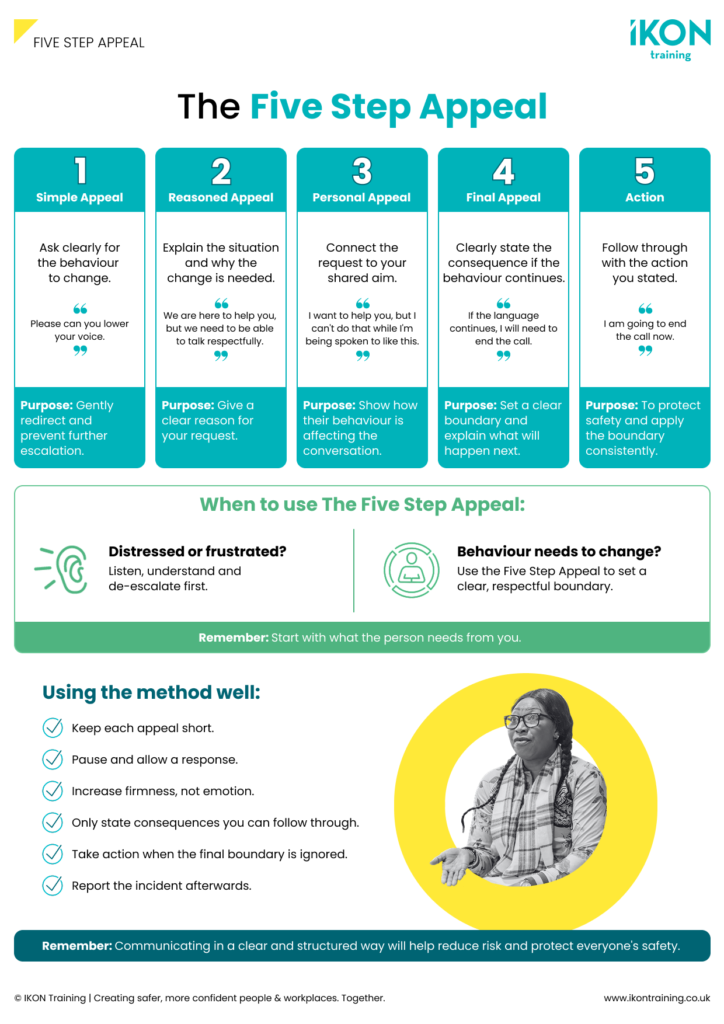
That’s why structured communication becomes even more valuable. Whether you’re following your own organisation’s conflict management procedures or using a structured communication model, these frameworks exist to keep people focused on the conversation rather than everything happening around it. They provide clarity when situations become unpredictable and help communication remain calm and professional. The camera shouldn’t change that process. If anything, it reinforces why structure matters.
If your organisation doesn’t already use a structured communication model, you can follow Five-Step Appeal below. It’s a simple, practical framework designed to help professionals keep conversations consistent and focused when behaviour becomes challenging.
 Professionalism shouldn’t depend on who’s watching
One of the messages I always try to leave with learners is that professional behaviour shouldn’t change simply because somebody starts recording, or because they’re saying it’ll be posted online. If you’re following your organisation’s procedures, communicating respectfully and acting within your role, those expectations remain exactly the same whether there’s a camera present or not.
That’s particularly important because technology will continue to evolve. The devices people use today won’t necessarily be the devices they’re using in five years’ time.
Frontline professionals can’t control whether somebody chooses to record an interaction and upload it to social media, but what they can control is how they respond. That’s where confidence really comes from. Not from hoping nobody is filming, but from knowing your communication doesn’t need to change if they are.
It’s also one of the reasons organisations continue investing in conflict management training. Confidence isn’t about having the perfect answer for every situation. It’s about developing behaviours and communication skills that remain effective, even when the environment around you changes.
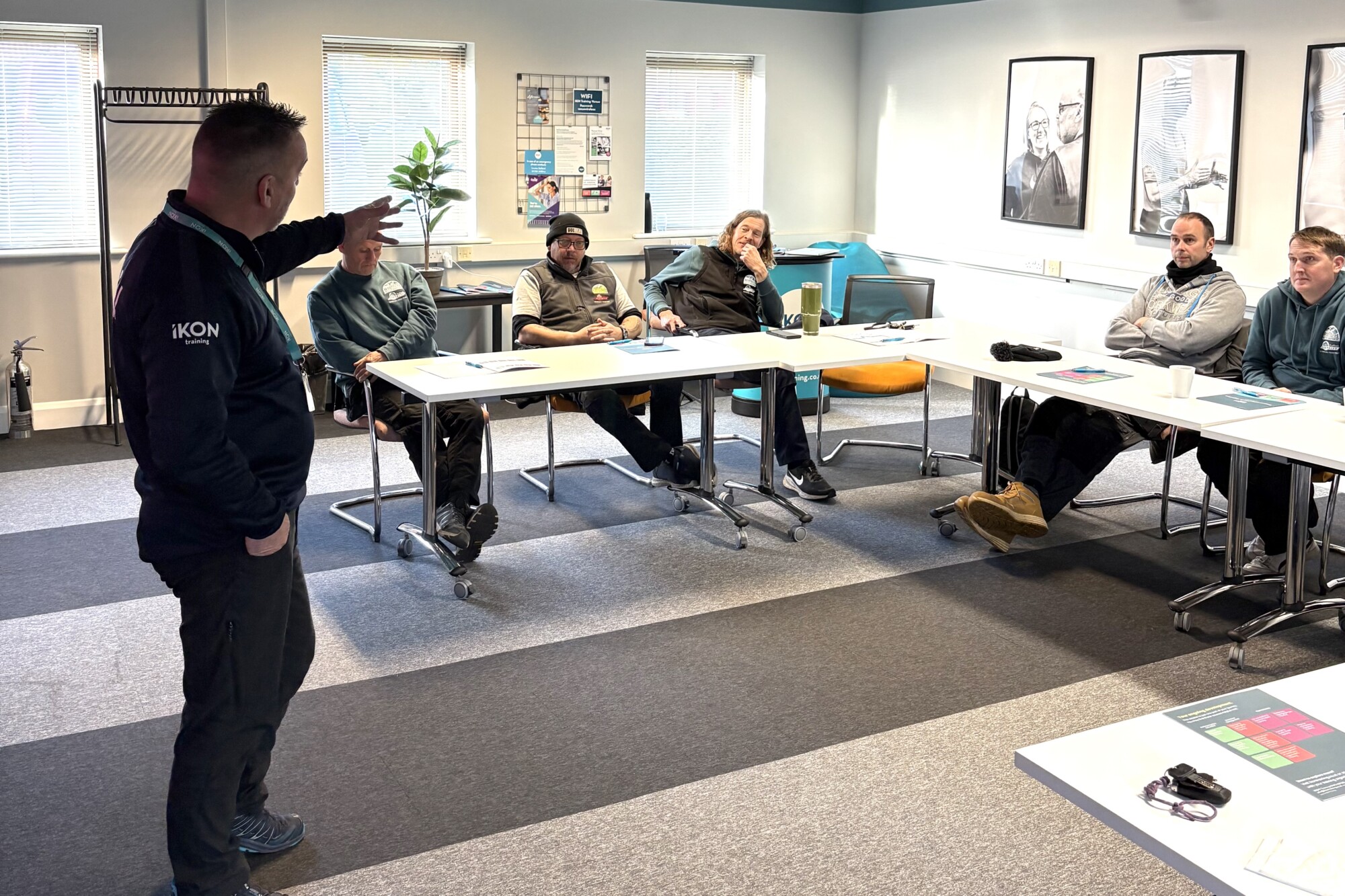
Technology has changed the environments people work in.
It has changed how visible frontline work can become and how quickly incidents can be shared.
What it hasn’t changed are the principles that underpin professional conflict management.
Those skills mattered before smart technology; they matter just as much today.
One of the reasons this question is appearing more frequently in training isn’t because people suddenly lack those skills. It’s because they’re trying to understand how those skills apply in increasingly complex situations.
That’s exactly what good training should do. It should give people the confidence to adapt, remain professional and make informed decisions, whatever the situation in front of them. Because ultimately, whether an interaction is being watched by one person or thousands online afterwards, the goal remains exactly the same.
Stay focused on the person.
Not the phone.
Stay connected
Technology will continue to evolve. The principles of good communication won’t.
Follow IKON Training on LinkedIn for more practical insights, tools and resources designed to help people communicate confidently and manage conflict professionally.
Or get in touch to explore how we could support your team.
Keep up to date with industry insights, sign up to the IKON Newsletter: