Ikon Training
The busiest time of year: Preparing retail teams for what comes next
November 9th, 2026
5 mins
November 9th, 2026
5 mins

There is a point in the retail calendar when the pressure on retail teams starts to shift.
Black Friday arrives. Christmas approaches. Stores get busier, seasonal colleagues join established teams and there are more people, more activity and more decisions being made on the shop floor.
Christmas is already recognised as one of the busiest periods of the year for retail colleagues, with the British Retail Consortium reporting that incidents of violence and abuse against retail workers have tended to spike during the Christmas period.
But the important question isn’t simply whether retail gets busier.
It’s what that increased pressure means for the people working in it.
At a time when retail is also asking these wider questions about how its people are treated and supported, that feels worth paying attention to. Campaigns such as Retail Trust’s Let’s Respect Retail are helping to put the experience of retail colleagues into the conversation.
In conversations with retail organisations, I’m hearing more about the situations people may encounter when the shop floor is under pressure. Difficult customer interactions. Suspected theft. Disruptive behaviour. Moments where someone isn’t sure whether to step in, step back or ask for support.
This is something retailers are already thinking about. The calendar makes the conversation more pressing, but the underlying challenge isn’t seasonal.
The retail environment has always involved difficult situations. That’s nothing new.
What does seem to be changing is the variety of these situations that frontline colleagues may have to navigate as well as the decisions they may need to make in the moment.
The latest BRC Crime Report recorded around 1,600 incidents of violence and abuse against retail workers every day in 2024–25. That was a reduction from the previous year’s figure, but remained well above the pre-pandemic level. The same report recorded 5.5 million detected incidents of shop theft.
The numbers help explain why this remains such an important conversation. But numbers don’t tell us what it feels like to be the person standing on the shop floor when something happens.
These aren’t all the same problem. They don’t necessarily need the same response.
That’s the point. The challenge isn’t simply giving people more training. It’s helping them build the understanding and confidence to apply what they’ve learned in the reality of their workplace.
No training session can predict every situation someone might face on a shop floor.
But it shouldn’t try to… people are unpredictable, situations change and an interaction can develop in a way nobody expected.
Good preparation isn’t about giving colleagues a script for every possible incident. It’s about helping them understand what is happening, communicate effectively, recognise when a situation is escalating and make appropriate decisions about what to do next.
That includes understanding that the way we respond matters. De-escalation isn’t simply about getting through a difficult interaction. It’s about doing so in a way that maintains people’s dignity, keeps boundaries clear and considers everyone’s safety.
That’s where the value of good Conflict Resolution Training for retail teams lies.
The training room gives people space to explore conflict, discuss behaviour, practise communication and consider personal safety. They can ask questions, challenge assumptions and work through situations with an experienced trainer and their colleagues.
Those are all important in supporting teams to feel more confident on the frontline.
But what we have also noticed across the training sessions is how well people respond to hearing other people’s stories, and learning as a collective. Because often, the situations may change, but the underlying principle of communication is what stays the same.
Confidence doesn’t come from being told what to do once. It comes from understanding the principles behind a response and having the opportunity to explore how they work.
The aim isn’t to make someone feel prepared for every possible incident.
It’s to help them feel more prepared for the unexpected.

This is where the connection between training and the workplace becomes important.
Knowing a principle is one thing. Recognising what that principle looks like in a particular workplace is another.
A colleague might understand the importance of de-escalation. But what does that look like when a customer is becoming increasingly frustrated at the till?
They might understand personal safety. But what does that mean when they suspect someone is stealing?
They might understand when to seek support. But what does that look like within their own store, with their own policies, people and responsibilities?
These are the questions that can make learning feel relevant. This is where we’ve noticed the conversation around scenario-based learning adding something useful.
It gives people somewhere to put the learning. A realistic workplace situation creates an opportunity to ask:
Context gives learning somewhere to land.
For some organisations, that might mean creating scenarios around situations their people are already encountering. For others, it may be about helping new or seasonal colleagues understand how the principles they’ve learned relate to their particular environment.
The starting point isn’t the scenario itself. It’s the workplace.
To support frontline staff, at IKON Training we are now able to offer bespoke, scenario-led E-Learning for retail companies to solve these problems.
We noticed that labour turnover, seasonal staff, skill fade and other factors out of control means that sometimes learning needs to be that little more responsive. If this sounds like something your team would benefit from, get in touch and we’d be more than happy to help you.
This is probably the biggest change I see in the conversations I have with retailers.
The most useful starting question isn’t:
“Which course do we need?”, it’s: “What are our people actually dealing with?”
That might sound like a small distinction, but it changes the conversation.
Once those questions are understood, it becomes much easier to think about the learning that could genuinely help.
Often, it will be a combination.
The important thing is not to start with a predetermined solution and try to make the workplace fit around it.
Start with the situation. Then work out what people need.
That’s the approach that allows learning to feel relevant rather than simply relevant on paper.
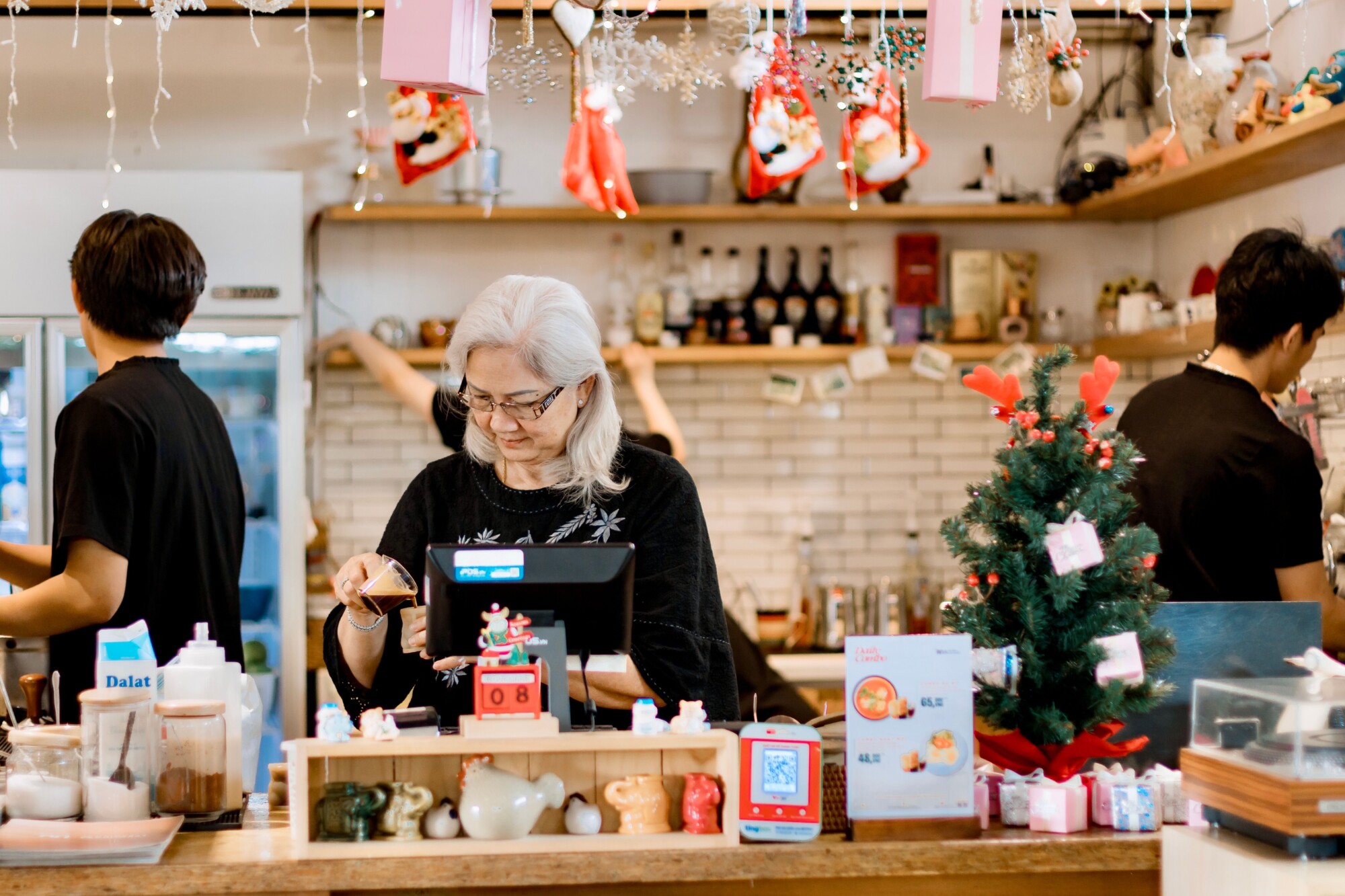
Black Friday will pass, Christmas will pass and the shop floor will eventually become quieter again. But the people working on it will still deserve to feel safe, supported and respected.
Difficult conversations will still happen. Unexpected situations will still happen. And frontline people will still have to make decisions when the answer isn’t immediately obvious.
The goal isn’t to prepare people for every possible incident.
It’s to give them the understanding, practical skills and confidence to respond when something doesn’t go to plan, as well as the support to know they don’t have to deal with everything alone.
The busiest season will pass.
The need to support the people who keep retail moving won’t.
Follow IKON Training on LinkedIn for more practical insights, tools and resources designed to help people communicate confidently and manage conflict professionally.
Or get in touch to explore how we could support your team.
Keep up to date with industry insights, sign up to the IKON Newsletter: