Ikon Training
Why does challenging behaviour increase at the start of a new school year?
September 7th, 2026
5 mins
September 7th, 2026
5 mins
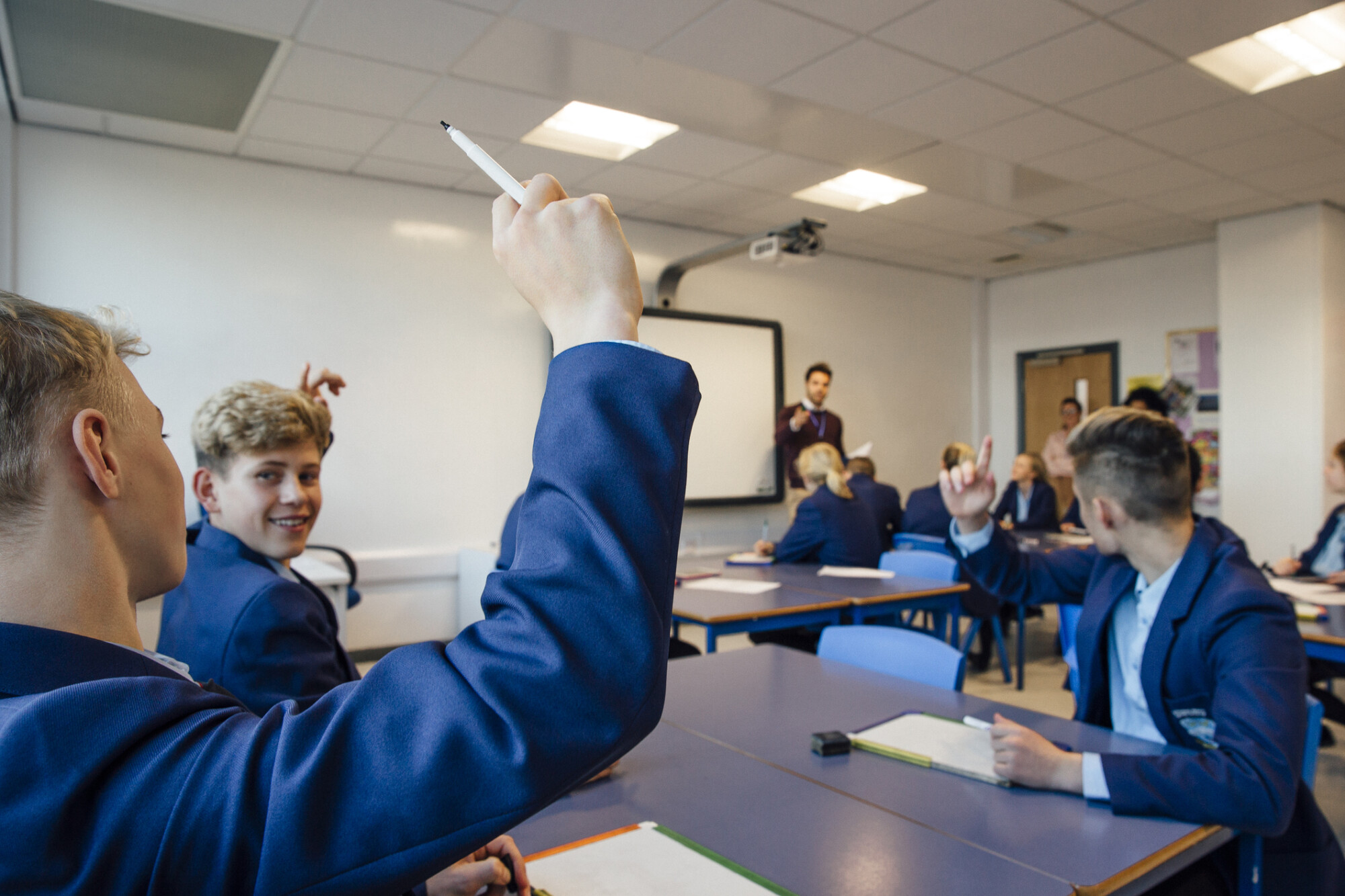
The start of a new school year can be a difficult period for some pupils and the staff supporting them. With lots of changes, such as timetables, classrooms, expectations etc, academic pressures can feel like they all arrive at once. For most pupils, these changes will settle into a new routine. For others, they can make behaviour harder to understand or manage.
But does challenging behaviour actually increase because it is September?.. I don’t think it’s quite that simple.
The more useful question is what has actually changed around the behaviour?
Some recent Department for Education figures recorded 335,700 suspensions in England during the autumn term of 2024/25, with persistent disruptive behaviour accounting for 51% of recorded reasons. That doesn’t tell us that September specifically causes challenging behaviour, but it does show the scale that schools are navigating during the first term back from the summer holidays.
For staff preparing to return to school, I think that statistic matters because a new school year brings a lot of change. It can be easy for staff and teachers to think that returning to school is as simple as picking up where the previous term left off. For pupils, on the other hand, that may not be how it feels.
A new school year can mean:
Therefore, one of the biggest things I’ve noticed is that behaviour can change when the environment around someone changes… but that doesn’t mean the environment is necessarily the root cause. It means it can be part of the picture. For example, a pupil who was comfortable with a particular routine in July may need time to adjust when that routine looks different in September.
Understanding that gives staff a better starting point than simply looking at the behaviour itself.
We rely on routine more than we probably realise. We know where we’re going. We know who we’re seeing. We know what is expected of us and what happens next. However for pupils, those things may need to be learned all over again.
A routine being familiar to staff doesn’t necessarily mean it’s familiar to a pupil.
This isn’t about lowering expectations or excusing inappropriate behaviour. It is about making expectations of routines and behaviour clear enough that pupils have a genuine opportunity to understand and meet them.
If someone is suddenly struggling with a routine they managed well before the summer, it can be useful to ask:
What has changed?
Is the environment different? Are the expectations being communicated differently? Has the relationship with the adult changed? Is there another pressure sitting alongside the transition?
Sometimes the answer will simply be that someone needs time to adjust. Sometimes there will be something else going on. Either way, trying to understand the context gives staff a better starting point for responding.

There is a danger in talking about school transitions as though everyone experiences them in the same way, because not everyone does. One pupil may adapt quickly to a new classroom. Another may find a change in friendship groups much harder. Someone else may struggle with increased academic demands or simply find having several changes at once overwhelming.
Research from the Education Endowment Foundation (EEF) highlights that these transitions should be anticipated in order to build support for students.
In my experience of working with people where behaviour can become complex, the same change can affect two people very differently.
Behind the behaviour is a person trying to navigate a situation that has changed.
That doesn’t mean staff need to know exactly what is happening underneath every behaviour before they can respond. It means staying curious and considerate.
When we assume we already know why someone is behaving in a particular way, we can become focused on correcting the behaviour. When we recognise that there may be more going on, we’re more likely to consider the situation and their behaviour as a whole.
That distinction matters particularly when supporting pupils with more complex needs. The transition itself may not be the underlying issue… it may simply be the point where several pressures come together.
I don’t think the first few weeks of a new school year should simply be viewed as a period to get through. They are an opportunity to establish the new normal.
The first few weeks give staff an opportunity to make new timetables and routines clear, explain what is expected and give pupils time to become familiar with how things work. It is also a chance to build relationships, notice how pupils are responding to the changes around them and identify where someone may need a little more support or clarity.
The EEF and Department for Education both emphasise the importance of making routines and expectations clear, rather than assuming pupils will immediately know what is expected.
That makes the beginning of term a useful opportunity for schools to be proactive. Not by trying to predict or understand every possible difficult situation, but by making sure the expectations are clear.
And this doesn’t mean every situation will or won’t escalate. It means staff have an opportunity to notice what is happening before they have to respond to something more significant.
Challenging behaviour doesn’t always begin with something obvious. Sometimes the first indication is simply a change from what is typical behaviour for that person. It might be:
None of these things automatically mean a situation will escalate. But they are changes worth noticing.
The important thing for staff is noticing change, not just behaviour.
If someone is already shouting, refusing instructions or behaving aggressively, the situation may have progressed quite a long way. There may have been smaller changes beforehand that were easier to respond to.
This is where early intervention as a workplace culture becomes relevant.
Early intervention isn’t about treating every small change as a problem. It is about giving staff the awareness and confidence to recognise when something is different and consider what response might be appropriate.
Sometimes a quiet conversation is enough. Sometimes someone needs space. Sometimes another member of staff needs to become involved.
The earlier those options are recognised, the more choices staff have.
Staff cannot control every behaviour they encounter. What staff can influence is how they respond. That might mean staying calm when someone else isn’t. It might mean giving a clear instruction rather than adding more language to a difficult conversation. It might mean recognising when continuing the conversation isn’t productive and creating some space.
There isn’t one phrase or technique that will resolve every difficult interaction, because everyone is different. But what matters is having confidence behind the response.
For instance, if a pupil is becoming frustrated because they can’t work something out, sitting down with them afterwards might help. Another pupil might find that approach condescending and prefer to ask a peer. It is about reading the room and understanding that the same response won’t work for everyone.
I’ve seen how quickly a difficult situation can become harder when people feel uncertain about what to say or do. Equally, I’ve seen the difference when staff have had the opportunity to explore realistic situations beforehand.
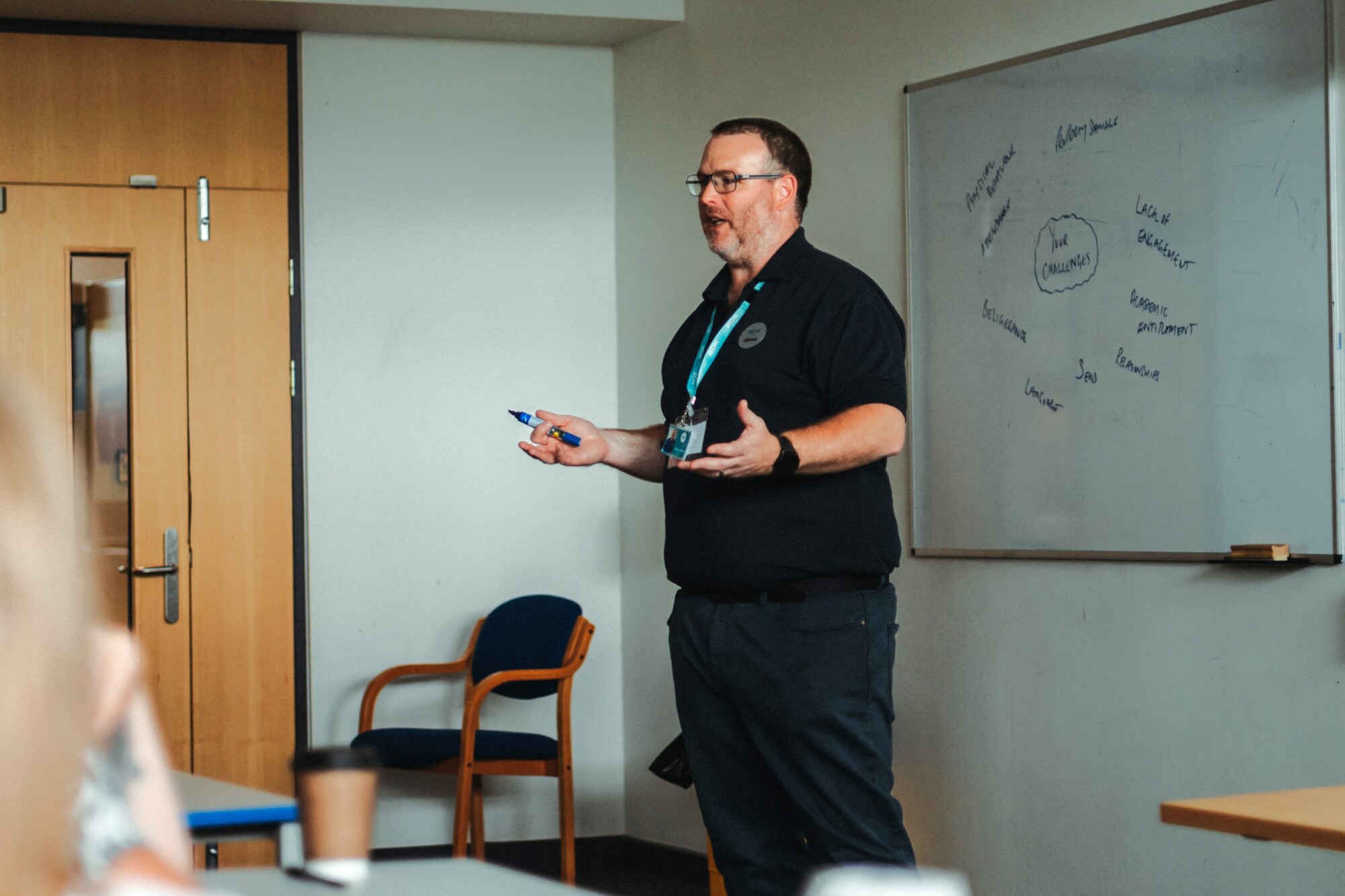
Training shouldn’t be about giving staff a script for every possible situation.
It should help them understand what is happening, recognise changes in behaviour and make confident decisions when the situation doesn’t follow the plan.
This is where the right training can support a school’s wider approach, giving staff the opportunity to explore realistic situations before they are under pressure.
Creating that culture of confidence is something we support at IKON Training via our tailored Education & Further Learning courses. But training is only one part of preparation.
Understanding policies matters. Consistent expectations matter. Support from colleagues and leaders matters.
The important thing is that staff aren’t having to work everything out for themselves when pressure is already high. They should have the guidance and knowledge to support students to prevent conflict as early as possible.
A new school year can expose inconsistencies that weren’t always obvious before. Different teachers may communicate expectations differently. Different teams may interpret a behaviour policy in slightly different ways. A pupil may receive one response in one environment and something quite different somewhere else.
The EEF’s research gives us an interesting picture here. In one of their studies, only a quarter of secondary teachers and half of primary teachers agreed that their school’s behaviour policy was applied consistently by all staff. That’s a significant gap.
But consistency doesn’t mean expecting every member of staff to respond to every situation in exactly the same way. Realistic and useful consistency means that staff understand:
Consistency should create clarity, not remove judgement. That matters at the beginning of a school year, when pupils and staff are already adjusting to change. If the staff around students understand the same approach, it creates greater predictability for everyone.
If we’re serious about supporting staff through challenging behaviour, preparation can’t begin when the first difficult conversation happens. It needs to start before then…
As schools prepare for a new academic year, there are some straightforward questions worth asking:
These aren’t questions about predicting exactly what will happen in September. Instead, they’re about making sure both staff and pupils aren’t having to work everything out for themselves when pressure is already high.
Preparation doesn’t remove challenging situations… it gives people more confidence when those situations arrive.
When people understand the same approach and know where to get support, preparation becomes part of the wider culture of the school.
I think the more useful answer is that September creates change. For some pupils, that change will be straightforward. For others, new routines, relationships, expectations and pressures may create a more difficult transition. That’s why understanding what sits around the behaviour matters.
The aim isn’t to prevent every difficult interaction. It is to make sure staff have the awareness to notice when something changes, the confidence to respond calmly and the support to know what to do next.
For me, that’s where preparation becomes valuable. We can’t always control what happens in front of us. But we can prepare people to respond well when it does.
And when a new school year brings change, that may be one of the most useful things we can give our people.
Stay connected
Follow IKON Training on LinkedIn for more practical insights, tools and resources designed to help people communicate confidently and manage conflict professionally.
Or get in touch to explore how we could support your team.
Keep up to date with industry insights, sign up to the IKON Newsletter: