Ikon Training
Are we training NHS staff for the situations they face?
October 27th, 2026
5 mins
October 27th, 2026
5 mins
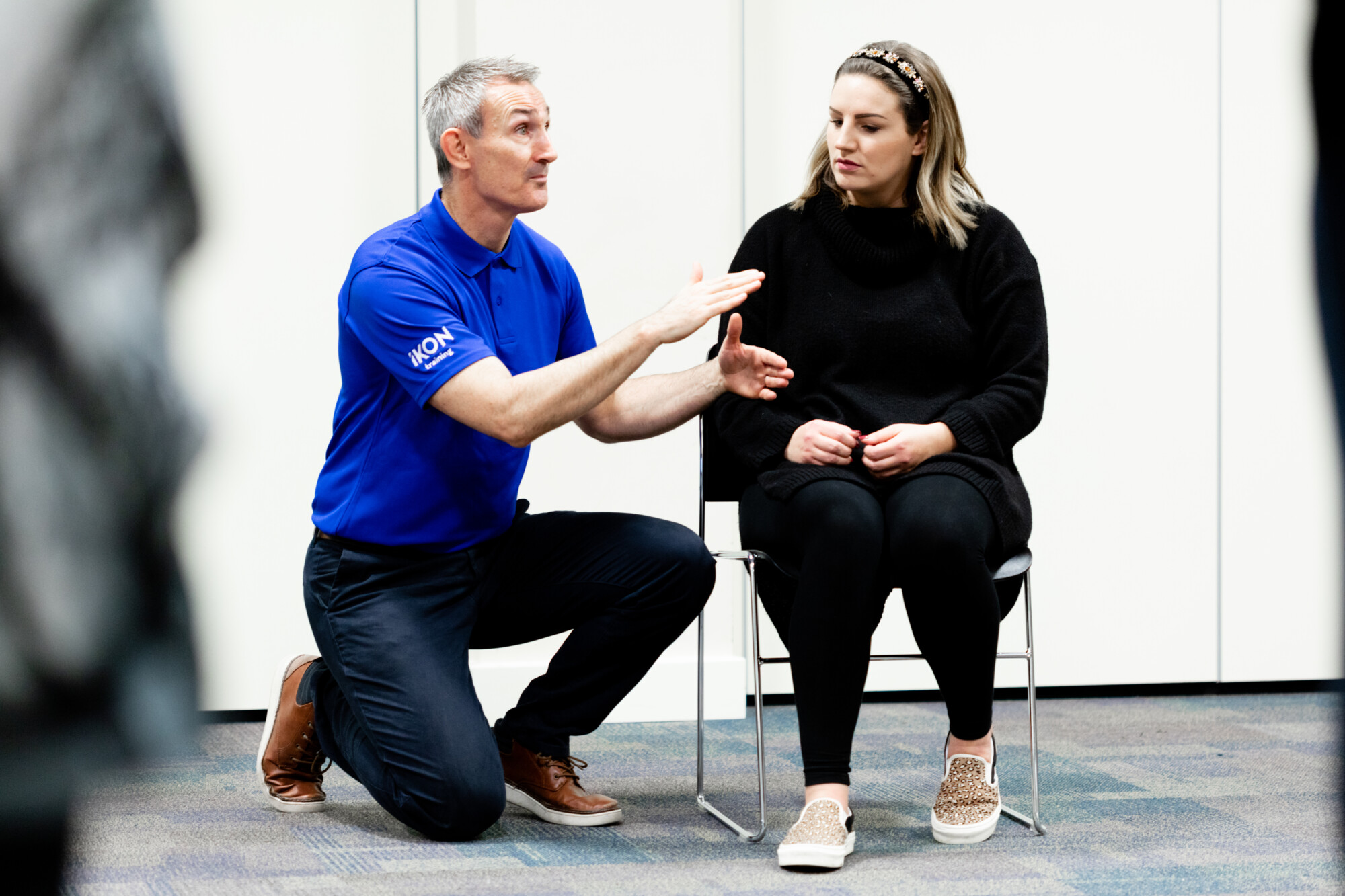
When planning training across an NHS organisation, attention naturally turns to numbers, availability and compliance. Who needs to attend? How quickly can they be trained? When does their current training expire?
These questions matter, but they don’t tell us whether NHS staff safety training reflects the roles, working environments, and risks people actually face.
A staff member can complete a course without feeling prepared to manage the circumstances they encounter in their role.
The more useful starting point is not simply: “What training do we need to deliver?”, it’s: What do our staff need to do when a situation becomes difficult?
Consider the range of people working across a single NHS organisation:
These colleagues may need conflict or violence prevention training, but they face different risks and may not need the same skills.
That sounds obvious. In practice, training programmes can become shaped by course titles, historic arrangements or the need to demonstrate compliance. The connection between the course and the situations staff actually experience can become less clear.

The government and NHS England introduced the first national NHS Staff Standards in July 2026. One of the six standards focuses specifically on violence prevention and reduction.
The requirements reinforce that employers should understand the risks their staff face, listen to their experiences, and ensure they receive role-appropriate training.
Implementation of the NHS Violence Prevention and Reduction Standard. has also been mandated through the 2026/27 NHS Standard Contract.
The significance is not simply that organisations have another standard to follow.
It creates a clear expectation that staff safety decisions should be informed by evidence and the realities of people’s work.
Rather than beginning with “what course are we required to provide?”, organisations should start by asking: “what situations are our staff being asked to manage?”.

Incident data, risk assessments, and staff surveys can help an organisation understand where problems occur. However, recorded incidents will not always show the full picture.
Staff may regularly manage difficult situations that do not result in a formal report.
Staff may resolve a conversation before it becomes an incident, or a member of staff may accept hostility as part of the job.
Speaking directly with staff can help organisations understand:
One team may regularly manage angry conversations at a reception desk. Another may be concerned about entering unfamiliar environments alone. Some staff may need greater confidence in setting boundaries, while others face a foreseeable risk of physical aggression.
The training response should follow the risk rather than assuming one course will meet every need.
A useful training strategy recognises that not everybody requires the same intervention.
For many NHS teams, the biggest challenge is managing difficult conversations before they escalate.
NHS Conflict Resolution Training can help staff recognise changes in behaviour, communicate clearly and set appropriate boundaries.
Some roles face higher personal safety risks. De-escalation and Personal Safety Training combines communication skills with situational awareness, safer positioning, and practical decisions about disengagement.
Staff who primarily manage challenging calls or online contact may require Resolving Telephone and Digital Conflict Training that reflects the particular pressures of communicating when people are not face to face.
The content and level of training should reflect the situations staff are likely to encounter.
Some NHS roles involve working alone, travelling into unfamiliar environments or having limited access to immediate support.
NHS Lone Worker Safety Training should help staff assess changing risk, maintain awareness of their environment and consider how they will leave or seek support if a situation becomes unsafe.
The purpose is not to make staff responsible for resolving every interaction. It helps them recognise when their safety needs to take priority.
Other teams work in environments where physical aggression is a foreseeable risk.
NHS Breakaway Disengagement Training provides practical skills to help staff disengage from physical contact and create an opportunity to move away from harm.
Physical skills training should reflect the types of contact staff may realistically experience. Learners also need sufficient supervised practice and a clear understanding of the legal and organisational context in which they may use the skills.
These training routes are not simply different versions of the same course. Each should respond to the role, environment and level of foreseeable risk.
One of the most useful ways to plan training is to begin with the intended outcome.
Depending on the role, staff may need to be better able to:
These outcomes provide a more meaningful basis for selecting and evaluating training than attendance figures alone.
A spreadsheet can confirm that 500 people completed a course. It cannot, on its own, show whether those people are better prepared for the situations they face at work.
Training cannot resolve every cause of workplace conflict or violence.
If staff repeatedly encounter the same situation because of an environmental issue, staffing pressure or unclear process, a course alone is unlikely to remove that risk.
The official NHS Violence Prevention and Reduction Standard takes a much broader approach. It covers leadership, governance, staff engagement, reporting and post-incident support alongside training and other interventions.
Training should equip people to manage foreseeable situations. Organisations should also use lessons from incidents and staff experience to consider whether they can reduce some of those risks.
Where knowledge or practical skills need to be maintained, organisations should also consider how they will reinforce learning after the course. The IKON Academy supports continued access to learning resources and post-course development.

Commissioners should challenge whether proposed training will be relevant to their staff.
Useful questions include:
These questions move the conversation away from course titles and towards the capability the organisation needs.
Different NHS roles face different risks, yet staff are often given the same training.
IKON helps NHS organisations match training to the situations their staff face.
For some teams, that means communication and de-escalation. Others may need lone worker, personal safety or practical Breakaway Disengagement training.
The result is training that reflects the role, so staff are better prepared to respond safely when a situation becomes difficult.
Not sure which level of training your teams need?
Tell us about the roles, working environments and situations your staff encounter. We will help you identify the most appropriate place to start.
Discuss your NHS training needs.
Keep an eye on our social media for more tools, case studies, webinars, and resources designed to support clear, confident, safe communication at work.
Follow us on LinkedIn: IKON Training
Or drop us a message to explore how we could support your team more directly.
Keep up to date with industry insights, sign up to the IKON Newsletter: