Ikon Training
Before the incident: What NHS staff are really managing when situations escalate
October 27th, 2026
4 mins
October 27th, 2026
4 mins

A patient has been waiting longer than they expected.
A relative wants an answer that isn’t available yet.
Someone is frightened about what happens next.
A member of staff is trying to explain the situation while managing several other demands
For NHS teams, these moments will be familiar.
Most difficult interactions don’t begin with shouting, threats or physical aggression.
They begin earlier, often with distress, frustration. Uncertainty. Fear, pain, confusion, sometimes simply feeling unheard.
The challenge for NHS organisations is ensuring staff can recognise when an ordinary difficult interaction is beginning to change and know what to do next.
Over the years, I have seen how much NHS staff are expected to manage in the moment. They need more than a script. They need the confidence to understand what is happening, consider their options and recognise when the situation is no longer safe to manage alone.
The words being exchanged are only part of a difficult interaction.
A patient may be worried about a diagnosis. A relative may have spent hours waiting for information. Someone may be frightened, in pain or confused by an unfamiliar environment.
Understanding what may be contributing to a person’s behaviour does not excuse abuse, threats or violence. It helps staff make a more informed decision about how to respond.
The person may need clearer information or an opportunity to explain their concern. A boundary may need to be set. In some circumstances, the safest response will be to end the interaction and seek support.
The important capability is recognising the difference.
The 2025 NHS Staff Survey found that 14.47% of staff had experienced at least one incident of physical violence from patients, service users, or members of the public during the previous 12 months. This had increased from the 2024 figures.
The new NHS Staff Standards make clear that staff should feel safe at work and receive appropriate training to help keep themselves and others safe.
Those expectations matter, but reported incidents show only part of the picture.
Staff also manage difficult interactions that never become physical and may never be formally recorded. These happen while teams work under pressure and balance the needs of patients, relatives, and colleagues.
That context can affect how people communicate.
A staff member may speak more quickly or repeat information because they know it is correct. They may become defensive when challenged. The person they are speaking with may no longer be able or willing to process what they are saying.
Even experienced staff can become caught in the momentum of an interaction.
Recognising this is not about blaming staff when situations escalate. It is about making sure they have more options available before they do.

No single behaviour can reliably predict what someone will do next. Staff need to recognise changes across the interaction rather than relying on one sign or making assumptions about a person.
Someone’s voice may become louder or faster. Questions may become demands, or the person may repeat the same point without the conversation progressing.
The person may stop engaging with the information being provided. This can indicate that repeating the same point is unlikely to resolve the situation.
A person may move closer, become more animated, or pay greater attention to their surroundings and the people nearby.
Staff should notice changes in space and positioning without assuming one movement automatically means aggression will follow.
The aim is awareness, not prediction.
Staff also need to notice how their own communication is changing.
When someone becomes frustrated, a natural response is to repeat the same information. Sometimes this helps. Other times, adding more information increases frustration because the underlying concern hasn’t been acknowledged.
This is where practical communication options become important.

No single sentence will calm every difficult situation.
Good de-escalation depends on recognising what is happening and selecting a response that fits the circumstances. Staff may need to:
The right response depends on the person, the environment, and how the situation is changing.
NHS Conflict Resolution Training should give staff opportunities to explore these decisions before they need to make them under pressure.
Where roles involve greater personal safety risk, De-escalation and Personal Safety Training should also address awareness, positioning and safer disengagement.
Healthcare professionals are naturally focused on helping people. Showing empathy does not mean accepting unacceptable behaviour.
Understanding why somebody is upset does not mean staff should tolerate threats or violence. They can explain what support is available without making promises they cannot keep.
Staff should feel able to communicate:
Organisations need to support that balance. If staff are expected to set boundaries, colleagues and managers must understand and reinforce them.
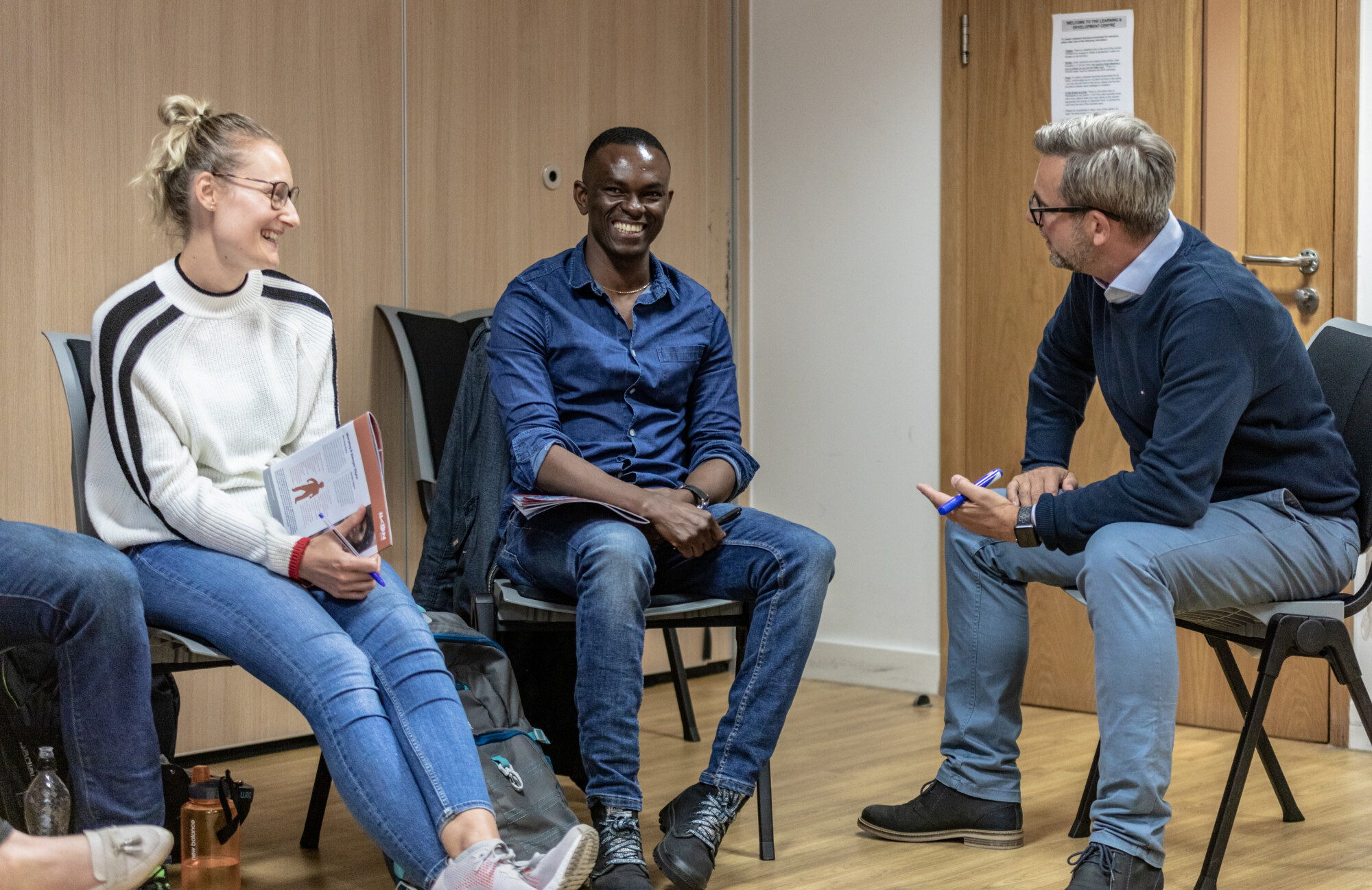
Attendance alone does not show whether staff are prepared.
When reviewing conflict resolution or de-escalation training, commissioners should be clear about what they expect staff to do differently afterwards.
Depending on the role, this may include being better able to:
These outcomes should shape the learning activities, scenarios and evaluation used in the programme.
Commissioners should also consider whether staff will have an opportunity to practise making decisions. Knowing a communication model is not the same as being able to use it while managing pressure.
If you are reviewing how your organisation prepares staff for difficult or escalating interactions, tell us about the roles, environments and situations involved.
We can help you identify the most appropriate place to start.
Stay connected
Keep an eye on our social media for more tools, case studies, webinars, and resources designed to support clear, confident, safe communication at work.
Follow us on LinkedIn: IKON Training
Or drop us a message to explore how we could support your team more directly.
Keep up to date with industry insights, sign up to the IKON Newsletter: