Ikon Training
The reality of working in transport: The moments most people never see
April 17th, 2026
3 mins
April 17th, 2026
3 mins
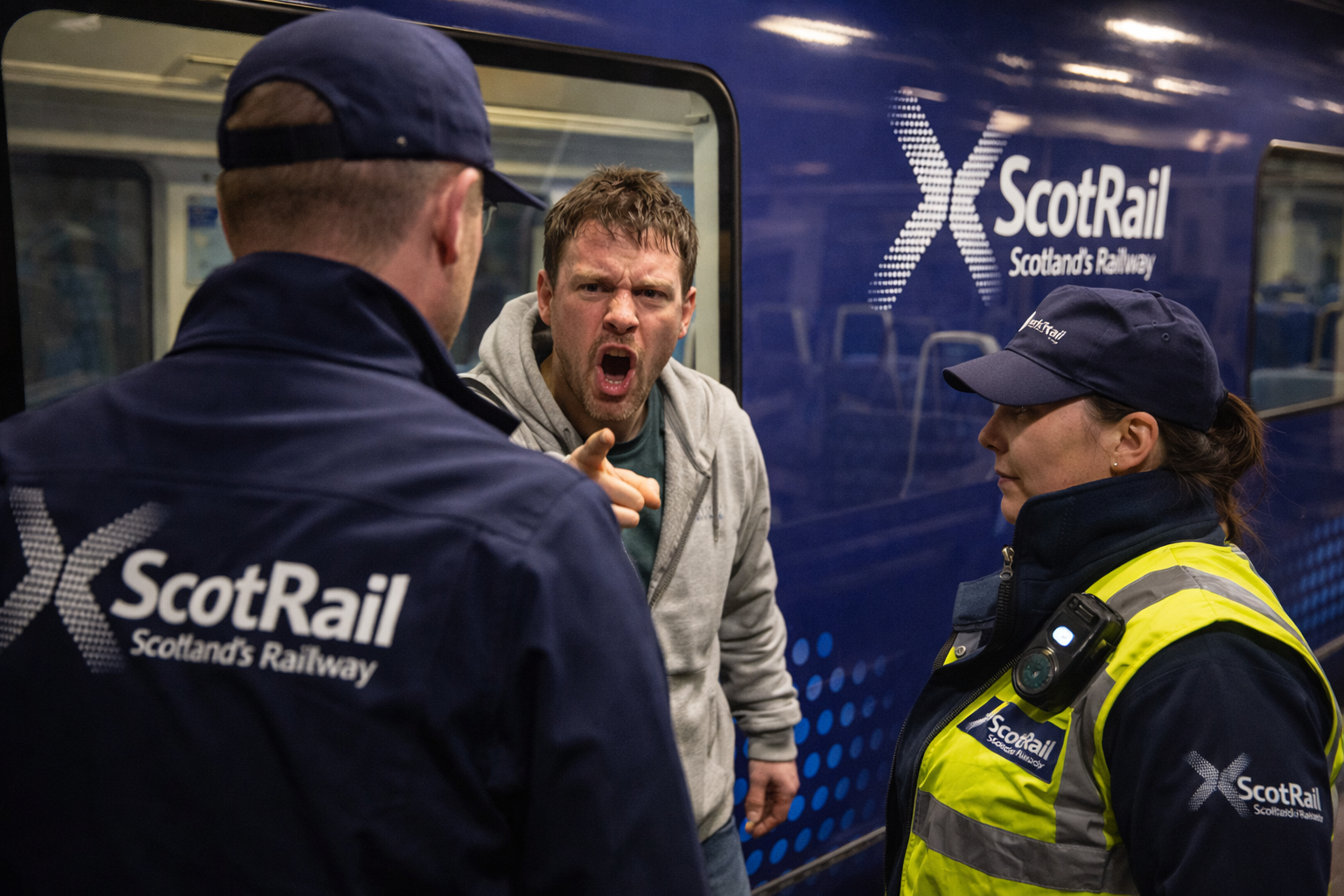
Customer becoming aggressive towards transport staff.
Transport keeps the country moving. But the reality for those that work in the transport sector it is always changing.
Recent warnings from industry bodies reflect a growing concern: for many frontline workers, dealing with conflict is unfortunately an everyday part of the job.
Shocking reports and statistics highlight increasing incidents of verbal abuse, threats and physical assaults across the transport network. A prominent figure recently reported by BBC News was there were 431 assaults and hate crimes on bus drivers in London from the start of 2025 to mid-August.
These are not isolated events. They are happening all across stations, platforms and services across the country, often in high-pressure environments where staff are required to manage both safety and service.
Behind every incident is a member of staff navigating that moment in real time.
Working on the frontline in transport means operating in environments that are constantly changing.
Delays, overcrowding, disrupted services and high passenger expectations all create pressure. Staff are often required to enforce rules, manage frustration and keep people safe all at the same time.
Most interactions are routine. But when tension rises, it can put staff at risk. This happens when:
These are not controlled environments. They are human environments, where emotion, pressure and unpredictability meet.
Incidents involving aggression rarely begin with violence.
They often start with something much smaller:
These moments can either pass or escalate quickly. If frustration is not recognised, it can turn into confrontation. If not managed effectively, the situation can escalate further.
Understanding the process of escalation is critical, because it shows that the opportunity to influence the outcome often exists before the situation becomes aggressive.
Across public-facing roles, there is a growing pattern:
At the same time, low-level aggression is becoming more normalised. Verbal abuse is often dismissed as “part of the job”, which means early warning signs can be overlooked.
The result is that situations move from tension to escalation much faster than before.
This is where the conversation shifts.
If situations escalate more quickly, then the response cannot begin at the point of aggression. It must begin earlier.
Early intervention is not about saying more or doing more. It is about recognising what is happening sooner and responding in a way that reduces tension. This might be:
These are small actions, but they have a significant impact.
This is also where many organisations are now focusing their attention, since recognising that prevention is more effective than reaction.
It’s a principle we explored further in our Insights piece on early intervention and workplace culture.
In March 2026, TfL and The Mayor of London held the most recent TfL Summit. The decision by Transport for London to bring together unions, law enforcement and industry partners signals something important.
This is no longer being treated as isolated incidents. It is being recognised as a system-wide challenge that requires a coordinated response.
The focus is not only on enforcement and consequences, but on prevention, safety and support for staff.
The summit reflects a broader shift:
Moving from reacting to incidents… to understanding how they develop, how they can be reduced, and how staff can be kept safe.
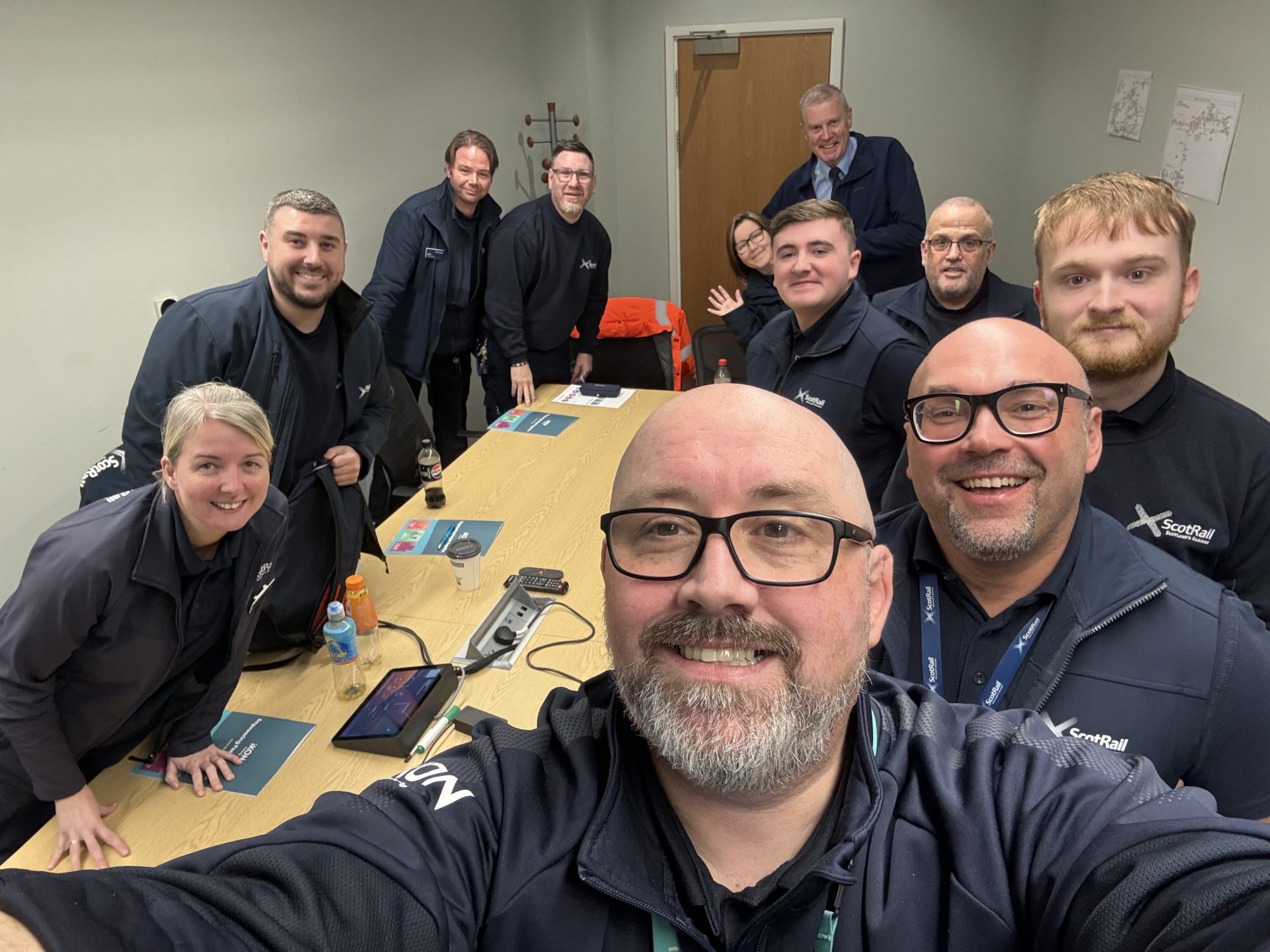
IKON Trainer, Kevin Cook, delivering training to Scotrail.
Frontline transport staff are not the problem. They are the people managing difficult, unpredictable situations every day, often under pressure and with limited time to think.
What makes the difference is not expectation; it’s preparation. When staff feel confident in recognising early signs of escalation; communicating under pressure and responding consistently as a team, situations are less likely to escalate, and when they do, they are managed more safely.
As the industry marks World Public Transport Day, it is a moment to recognise the role transport workers play in keeping people moving safely every day.
It is also a reminder of the environments they work within. Behind the service are people managing pressure, unpredictability and, increasingly, conflict.
Recognising that reality matters. So does supporting those who face it.
At IKON Training, we work closely with organisations across the transport sector to support staff in building confidence in these moments.
Part of our focus is on helping people recognise escalation early, respond calmly and maintain control of interactions without increasing tension. This includes practical strategies for communication, personal safety and consistent team responses.
The aim is not to remove the reality of challenging situations, but it is to help people feel more prepared to manage them safely.
Because when staff feel equipped, the outcome of those moments can change.
In recent years there has been a wider shift across public-facing sectors.
Violence and aggression cannot be addressed through enforcement alone. It requires understanding of how situations develop and responding earlier.
The reality is that most incidents don’t start with aggression. They escalate.
And when organisations focus on recognising those early stages, they create environments where escalation is less likely, staff feel more confident and safety improves for everyone.
Read more on World Public Transport day here.
Keep up to date with industry insights, sign up to the IKON Newsletter: