Ikon Training
Different needs, same outcomes: How we can make training even more accessible
February 12th, 2026
4 mins
February 12th, 2026
4 mins
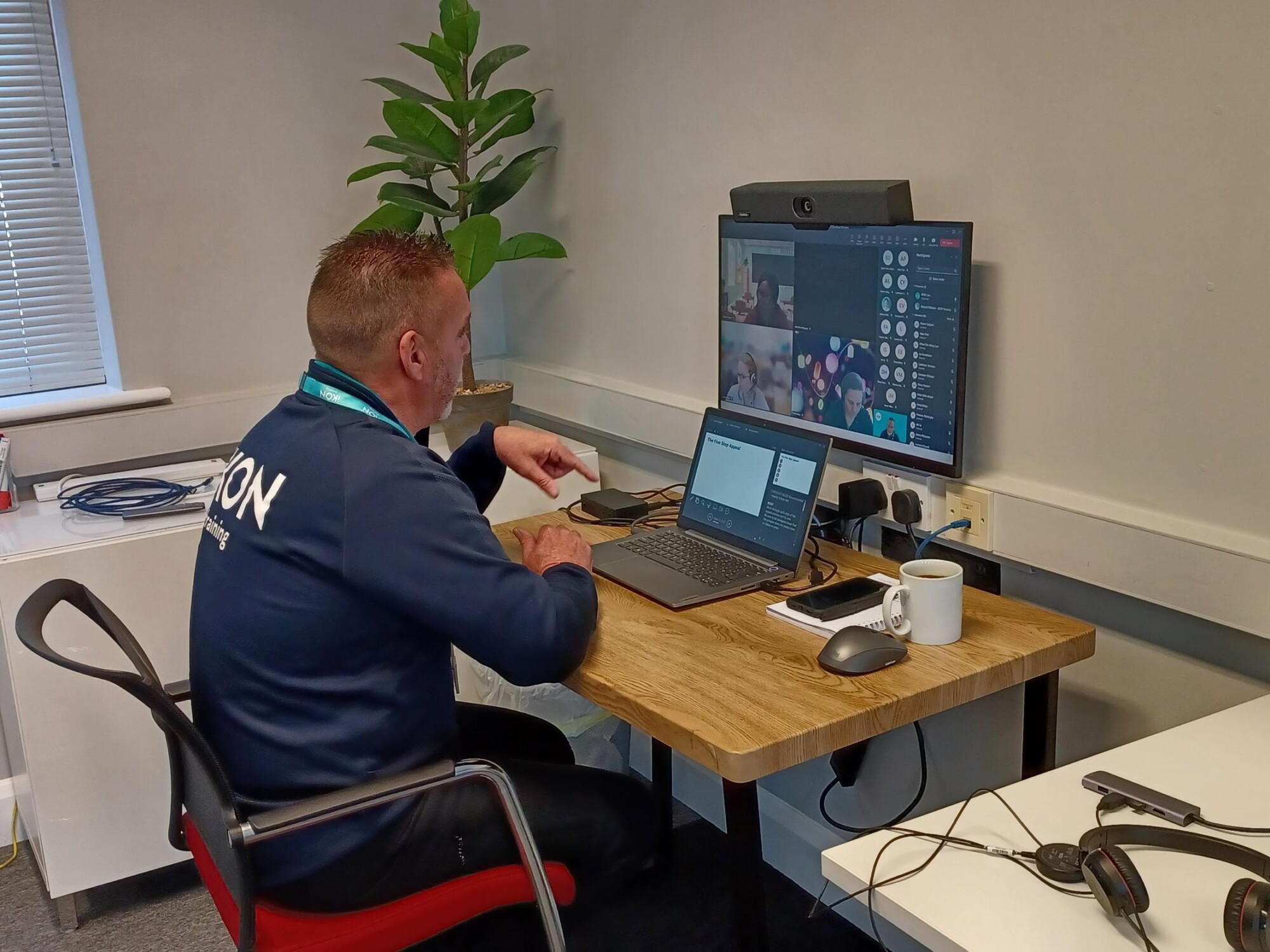
Workplace learning hasn’t evolved because traditional methods stopped working. In-person training still plays a vital role, especially where physical skills, team dynamics and real practice matter. What has changed is the environment around it.
Technology has opened the door to flexibility and accessibility in a way that simply wasn’t possible twenty years ago. People are balancing tighter schedules, smaller teams, and increasing demand. Organisations are looking for ways to build capability without adding travel time, venue costs, or unnecessary downtime. Individuals also want access to high-quality training without waiting for a full team programme to be arranged.
The purpose of training hasn’t shifted. It is still about building confidence, connection and safety at work. What has shifted is how learning can be delivered – it is a story of adaptation, not replacement. This shift widens access. It reduces barriers. It allows people to step into development at the point they need it, rather than waiting for the ‘right time’.
For many years, training looked broadly the same:
In-person training offers something essential: Physical skills, shared experience, and the chance to read the room in ways that simply can’t be replicated online. In many environments, that remains irreplaceable.
But the world around that model didn’t stand still.
Over time, work became faster and more complex. Higher expectations and reduced tolerance meant frontline staff were often absorbing frustration in real time. Training and development didn’t become less important, but the window to step away from the role narrowed.
As services expanded and roles broadened, training could no longer rely solely on releasing entire teams for a set day. Staffing gaps and competing priorities made that harder to protect. The pressure didn’t reduce the need for learning, it reshaped when it could happen. This left many organisations asking:
Delivery models therefore evolved to reduce travel time, remove the need for physical space, and limit disruption to rotas. Shorter sessions, remote access, and more flexible scheduling allowed training to sit alongside operational reality rather than compete with it.
Work pressures reshaped both its timing and its format – moving from occasional events to more accessible, adaptable learning opportunities.
Today, online learning is no longer an exception. It’s an expectation. Around 80% of organisations now provide some form of digital learning, reflecting a broad recognition that development must meet people where they are.
This shift happened because organisations needed:
Online delivery became a way of keeping learning present rather than postponing it until circumstances improved.
But greater flexibility should never mean reduced quality.
As training has adapted, the real question shifted from “Can this work?” to “Can this work well?”
Effective online training isn’t just about convenience. It’s about design. Smaller groups. Live interaction. Space for discussion. Clear structure. Opportunities to practise thinking under pressure. Accessibility expands reach. Quality ensures it makes a difference.
Open courses provide the same practical tools that build confidence and skill, delivered in a way that fits modern working lives.
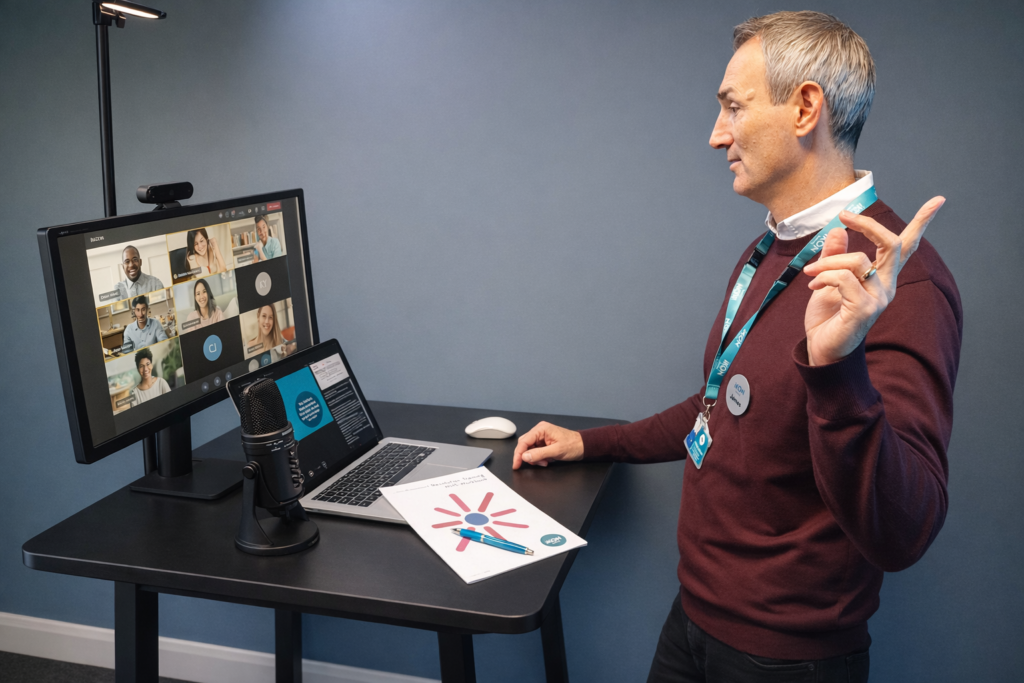
When designed with intention, online learning reduces barriers without reducing outcomes. Research suggests it can shorten learning time by 40–60%, largely by removing friction around travel, scheduling, and downtime. That saving isn’t about rushing. It’s about making development sustainable alongside demanding roles.
But the real value runs deeper than convenience.
It allows people to access training earlier, before pressure escalates. It widens reach, so development isn’t limited to who can be released at the same time. It creates consistency, making learning part of working life rather than an occasional interruption to it.
For many learners the value shows up as:
When thoughtfully delivered, online open courses create space to engage, reflect and build confidence in a way that fits the realities of modern work.
Across sectors, the pattern is consistent. People want learning that:
This is where our design matters. Smaller sessions, live interaction, and space for discussion create conditions where learning can stick and be carried forward. If this feels relevant, we’re here to explore what might work for you.
Alongside organisational training plans, more frontline staff are taking an active role in building their own confidence and capability. For some, this comes from stepping into roles with greater exposure. For others, it’s driven by the reality of managing challenging situations without always having the time, capacity or support structures they’d expect. Increasingly, people are choosing not to wait until pressure peaks before seeking learning that helps them feel steadier and more prepared.
This shift isn’t happening in isolation. It reflects a broader change in how responsibility for learning is shared between organisations and the people within them.
We explored this growing demand for individual learning in more depth in our recent Insights piece on the changing shape of conflict, where we look at why more people are seeking training independently and what that tells us about confidence, capacity and modern working pressures.
What this points to is not a move away from team-based development, but an expansion of how learning is accessed. Modern workplace learning needs to support both structured team programmes and realistic routes for those who want to act early, build confidence, and carry those skills back into their teams.
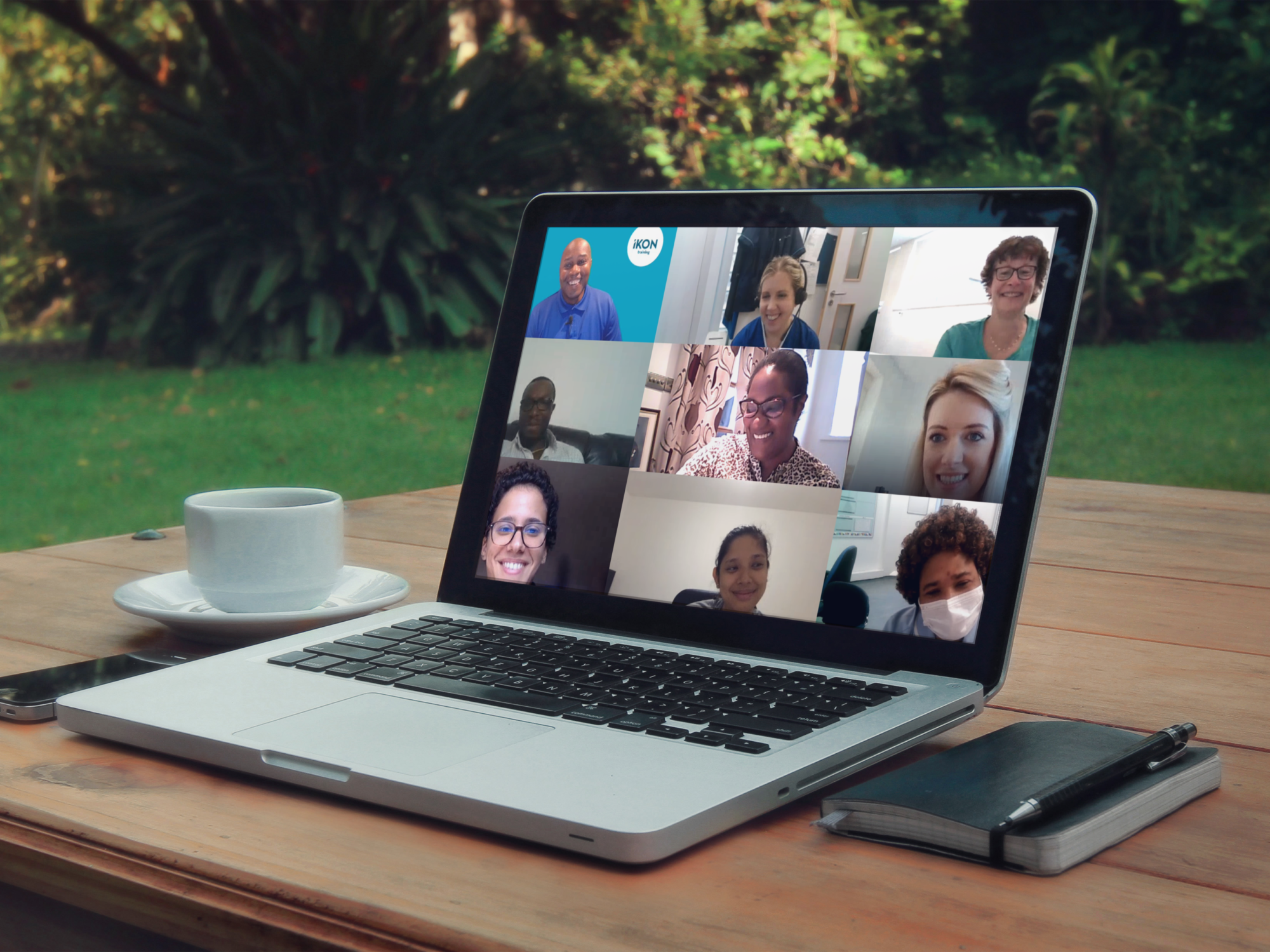
“Training online reduces travel time, the need for a training space, and can also be cost-effective for smaller teams.” – IKON Trainer, Sam Cherubin
Practicality isn’t a compromise – it’s essential.
When learning feels achievable, it’s more likely to be prioritised. When it doesn’t require stepping away from already stretched roles, it becomes something people can engage with earlier – not something delayed until pressure forces it. That shift matters.
Earlier engagement protects confidence. It prevents avoidable escalation. It allows skills to be built steadily rather than reactively.
“It was a really good course and interactive. Really well delivered and organised. I normally dread these online courses, but I have to say I enjoyed this and learnt a lot.” – Bromley Healthcare.
Pressure rarely arrives suddenly. It builds quietly through workload, expectation, and reduced recovery time. Preparation creates opportunity for space:
Future-focused learning isn’t about predicting problems. It’s about equipping people early, so confidence is already in place when it’s needed most. That’s where accessible learning matters. Not as an add-on, but as part of how organisations and individuals stay steady in changing environments.
If you’re exploring practical, accessible training that supports real working environments, our upcoming open course dates are now available – and early booking helps secure smaller session places.
Start early. Build confidence before pressure escalates.
View our upcoming open courses.
Speak to our team about what might fit your needs.
Keep an eye on our social media for more tools, case studies, webinars, and resources designed to support clear, confident, safe communication at work.
Follow us on LinkedIn: IKON Training
Or drop us a message to explore how we could support your team more directly.
Find out more about our online courses.
Keep up to date with industry insights, sign up to the IKON Newsletter: